Great question! Well, let’s start with this Sunday’s Full Moon. It is aptly named the “Snow Moon” by the Algonquin, Cree and Dakota tribes. Full moons are a time for letting go. Think: getting a haircut, donating clothes, releasing old patterns that do not serve us.
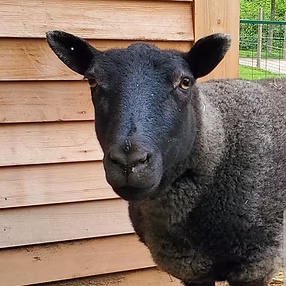
Which brings us to Imbolc. The Gaelic holiday that celebrates the cross-quarter, in other words, the halfway point between winter (solstice) and spring (equinox). To us modern, not-farming folks, this can feel a bit out of place or like wishful thinking. We’re in the midst of masses of snow and frigid temperatures. So what gives? Well, if we were living in the times before grocery stores, when we were dependent on food we could grow and raise ourselves, then this would be the time that our sheep got pregnant. More than cute news, this could be lifesaving!
These days, we artificially keep our milk-giving animal friends in a state of lactation. But back in the day? We only had access to milk if our cows, sheep, goats, etc had or were expecting babies. The word Imbolc can be translated to “in the belly”. So, as our ancestor’s winter food stores began to dwindle by this time of winter, a pregnant sheep would be a gracious promise of milk to come.
Imbolc is a celebration of the Celtic goddess Brigid, who became St. Brigid (honored in the Christian tradition at Candlemas). She is celebrated with bonfires, cleaning out your home to let in fresh energy, and crafting Brigid’s Crosses to decorate your home after all the other holiday decorations have come down.
If you want to make your own Brigid’s cross, come to our Free Meditation Meetup this Sunday at 5pm to learn! Don’t have access to a bonfire? Light a candle, or all of your candles, on Sunday evening.